Jason Fung Architect Uses XR to Explore Design at Full Scale
 Hilmar Gunnarsson March 10, 2026
 Discover how Toronto-based Jason Fung Architect uses Arkio and XR to explore design spatially, collaborate with clients in real time, and test architectural ideas at full scale.
Designing architecture through immersive spatial exploration
My name is Jason Fung. I am the Founder and Principal of Jason Fung Architect Inc.
We are a design-driven architectural practice specializing in high-end custom residential projects, complex renovations, and prefabricated homes. Our work often involves technically demanding sites, ambitious clients, and a high level of design integration across disciplines.
We are based in Toronto, Canada, and serve clients across Ontario and in some cases other provinces of Canada.
Our team is a focused, agile studio. We intentionally remain compact so we can stay deeply involved in every project. As Principal, I lead design direction, client strategy, and technological integration within the practice.
From drawings to embodied spatial understanding
In our practice, XR entered the workflow as a response to a perennial challenge in architecture: bridging the gap between drawing-based representation and embodied spatial understanding.
Traditional 2D plans, elevations, or even rendered animations can leave room for interpretation—especially with clients who have limited experience reading architectural drawings.
We started exploring XR to enable both our staff and our clients to experience design at full spatial scale, and to collaborate in ways that feel more intuitive, immediate, and interactive.
Currently we leverage:
- Meta Quest (Quest 2, Quest 3, Quest 3S) for fully immersive spatial exploration
- Desktop and tablet access for participants who are remote or prefer non-headset interactions
- 360 photogrammetry, LiDAR measuring, and drone footage
Before Arkio, we used VR walkthroughs through Enscape using a gaming PC connected to a headset. Prior to Enscape, we exported individual panoramic views to Google Cardboard. These approaches were helpful for communication, but offered limited interaction—participants could look around, but not shape or iterate with immediacy.
The challenge: making spatial design truly collaborative
We were looking for a tool that would utilize VR to review our designs. The added benefit of Arkio is that we are also able to model directly in 3D space.
Our challenges with traditional design collaboration included:
- A lot of back and forth, along with spending significant time producing rendered images for client review
- Flat renderings and even walkthroughs not presenting the true volume of the space
What made Arkio stand out is how it blends:
- Modeling and spatial sketching that feels like manipulating physical massing blocks in VR
- Cross-platform collaboration (desktop, tablet, mobile, and XR), allowing everyone to participate regardless of device
- Integration with professional software like Revit and SketchUp, enabling fluid iteration from BIM to immersive context and back
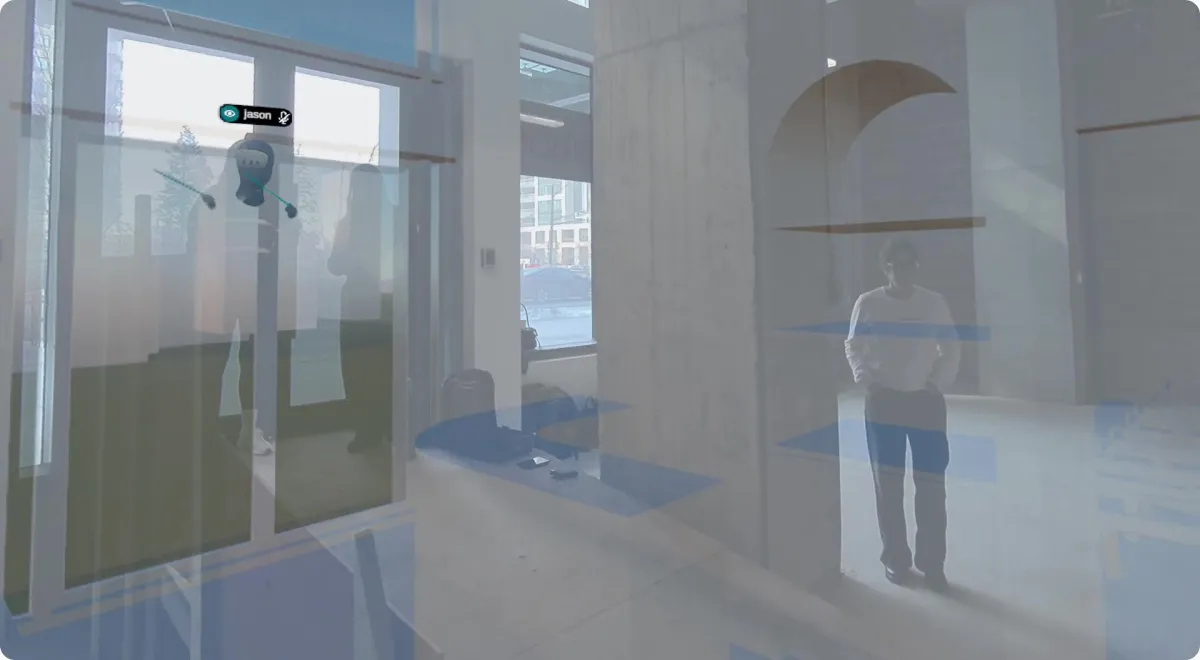
- Shared immersive sessions where collaborators can explore and shape designs together in real time
Example workflow: reviewing a yoga studio in VR
Current project: Room38 - Hot Yoga and Pilates Studio in Mississauga
How we used Arkio:
- Imported a Revit model directly into Arkio
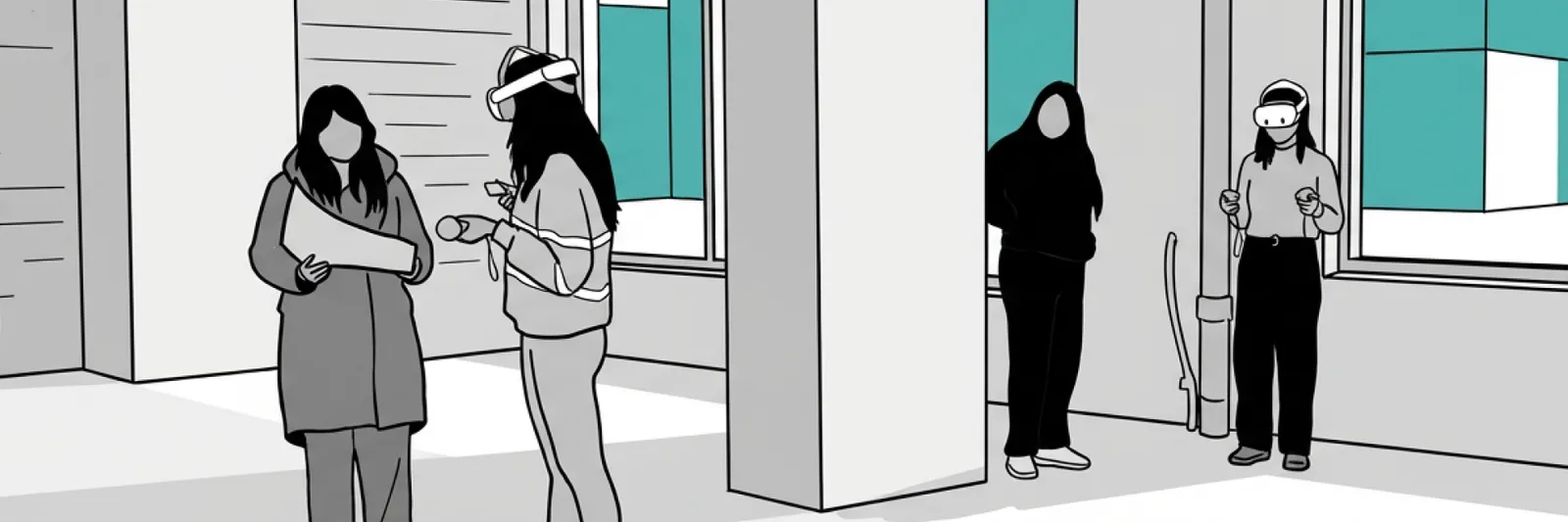
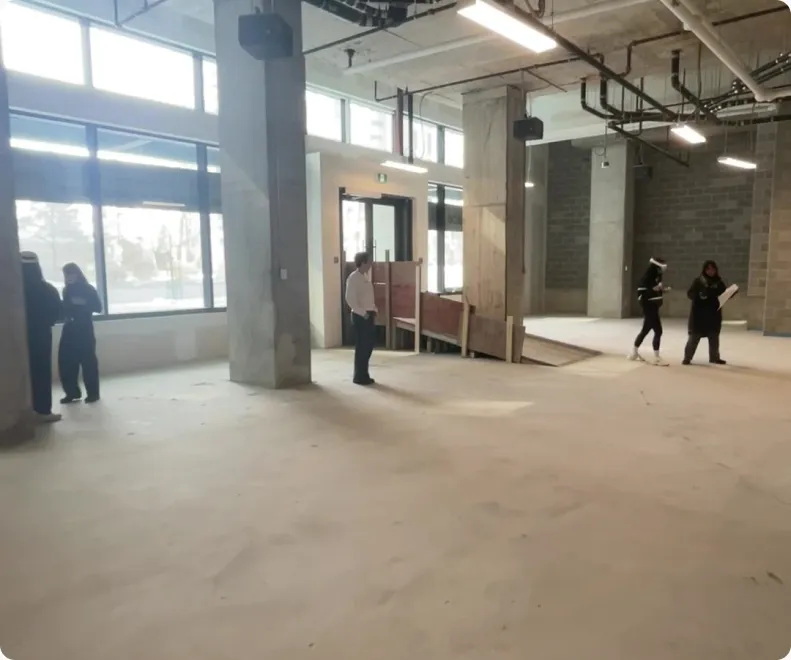
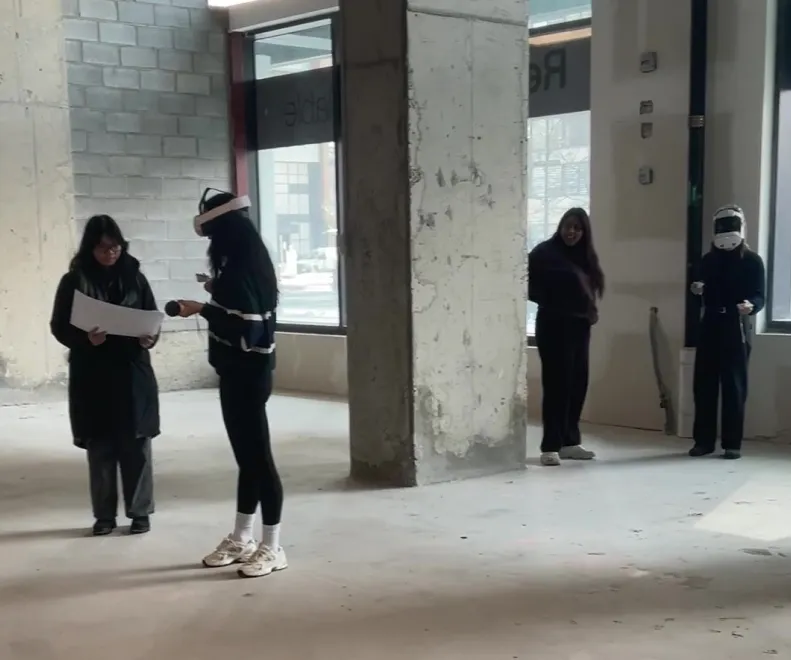
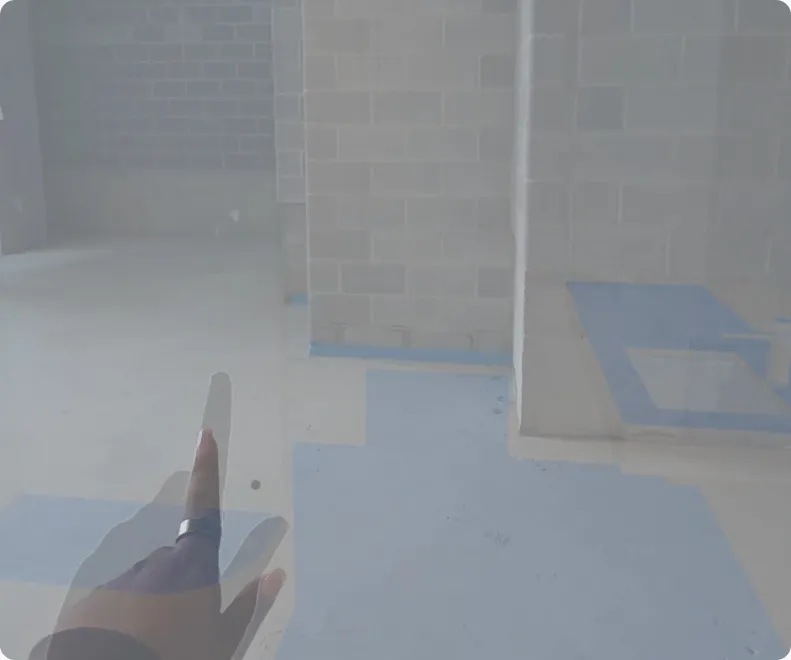
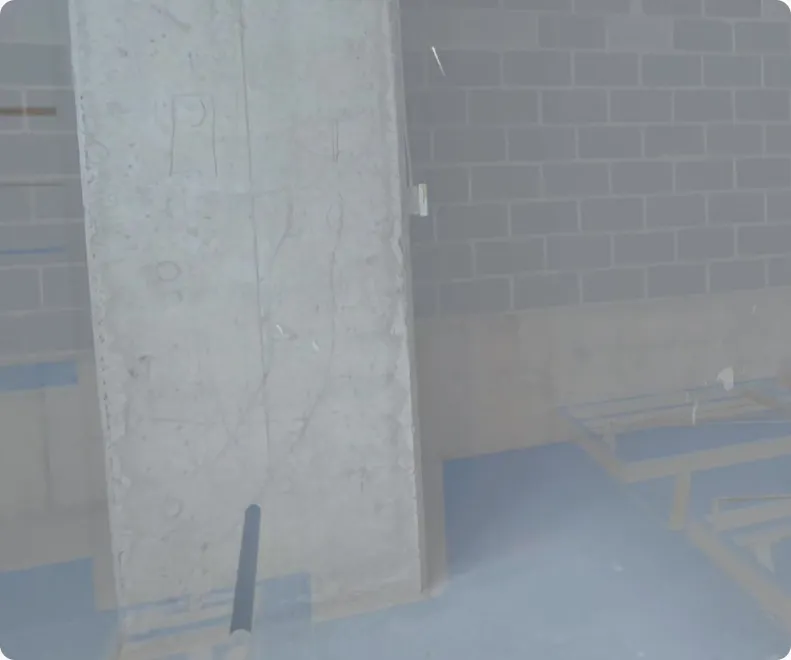
- Hosted a collaborative session with the client using Meta Quest 3 and 3S on site in a vanilla shell commercial space
- Explored the design at 1:1 scale, walking through interior volumes and exterior relationships
- Tested three alternate configurations that were preloaded into the session
- Recorded decisions using our POV camera and screen capture
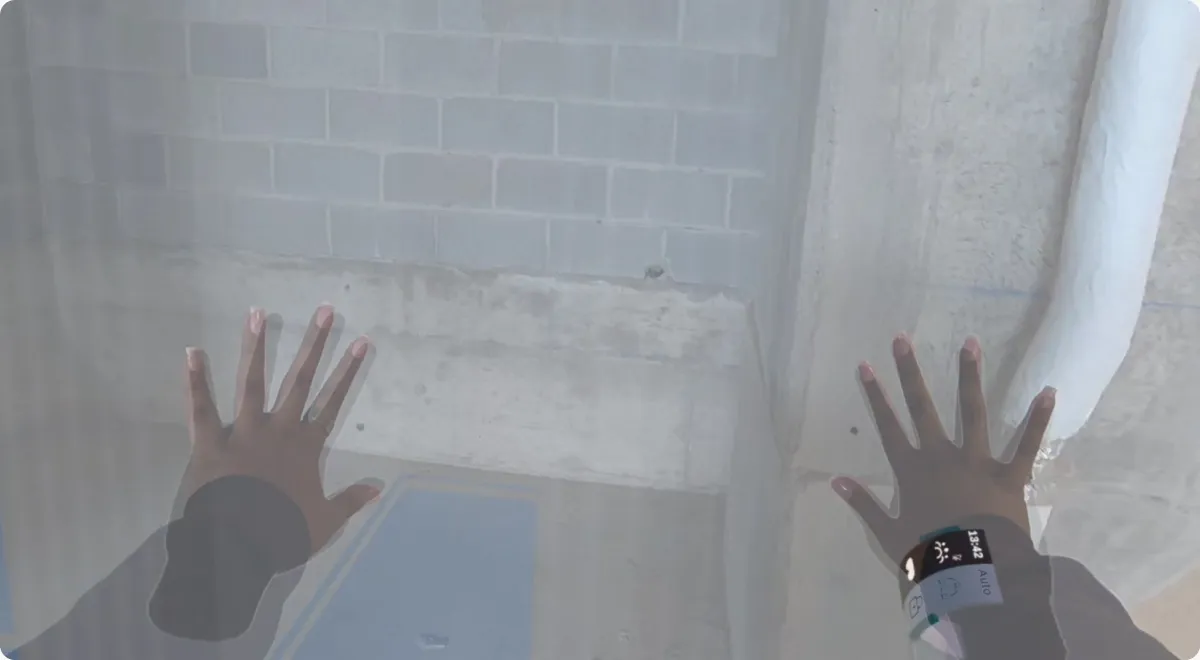
Standout interactions included using mixed reality passthrough on Meta Quest 3/3S to overlay the design directly into the physical context. This was incredibly valuable for explaining ceiling heights and circulation within the space.
The workflow became less about “showing” the design and more about collective spatial exploration and decision-making.
Where Arkio fits in our design process
Arkio’s greatest value is early and often.
We primarily use it during:
- Concept and schematic phases, where spatial understanding helps drive design direction
- Collaborative reviews with clients and consultants, when alignment is crucial
- Presentations where communicating the feeling of space and volume is important
Overall, Arkio is currently utilized in early schematic design to present projects to clients.
We are also piloting the use of Arkio during design development to review potential conflicts between mechanical and structural systems, which is something we plan to expand further this year.
Impact: better design feedback and stronger team skills
Arkio’s impact has been tangible.
Improved design collaboration
Clients understand the design choices at a level of clarity that traditional tools simply can’t match.
Improved staff development
I want a studio of young, talented staff. One of the challenges in architecture is that so many things must go right before something is ever constructed—and sometimes projects never get built.
Arkio allows our team to design and test their ideas in a digital mock-up at full scale, almost as if the building already exists on site.
The biggest benefit has been seeing our designs progress in “real” space rather than flying through a 3D model on a computer screen. Arkio has strengthened the feedback loop within our design process and enhanced the spatial understanding of the entire office.
Looking ahead: XR as a core design medium
We plan to expand Arkio usage in several areas:
- Early ideation and master planning
- Design development and consultant coordination
- Reviewing conflicts between disciplines in immersive space
- More mixed reality sessions that contextualize designs directly within the client’s physical environment
- Using Arkio’s modeling tools more effectively in mixed reality
We see XR becoming a core medium of design communication—not just an add-on for presentations. Our hope is that Arkio’s continued evolution, including AI rendering and expanded mixed reality workflows, will align with that future vision.

Jason Fung, Founder and Principal at Jason Fung Architect Inc.
“Arkio allows our team to design and test their ideas in 3D space in a digital mock-up—as if it’s already constructed on site.”