Effective Collaboration in XR with Arkio at KPF
Find out how KPF is using Arkio to transform their design workflows.

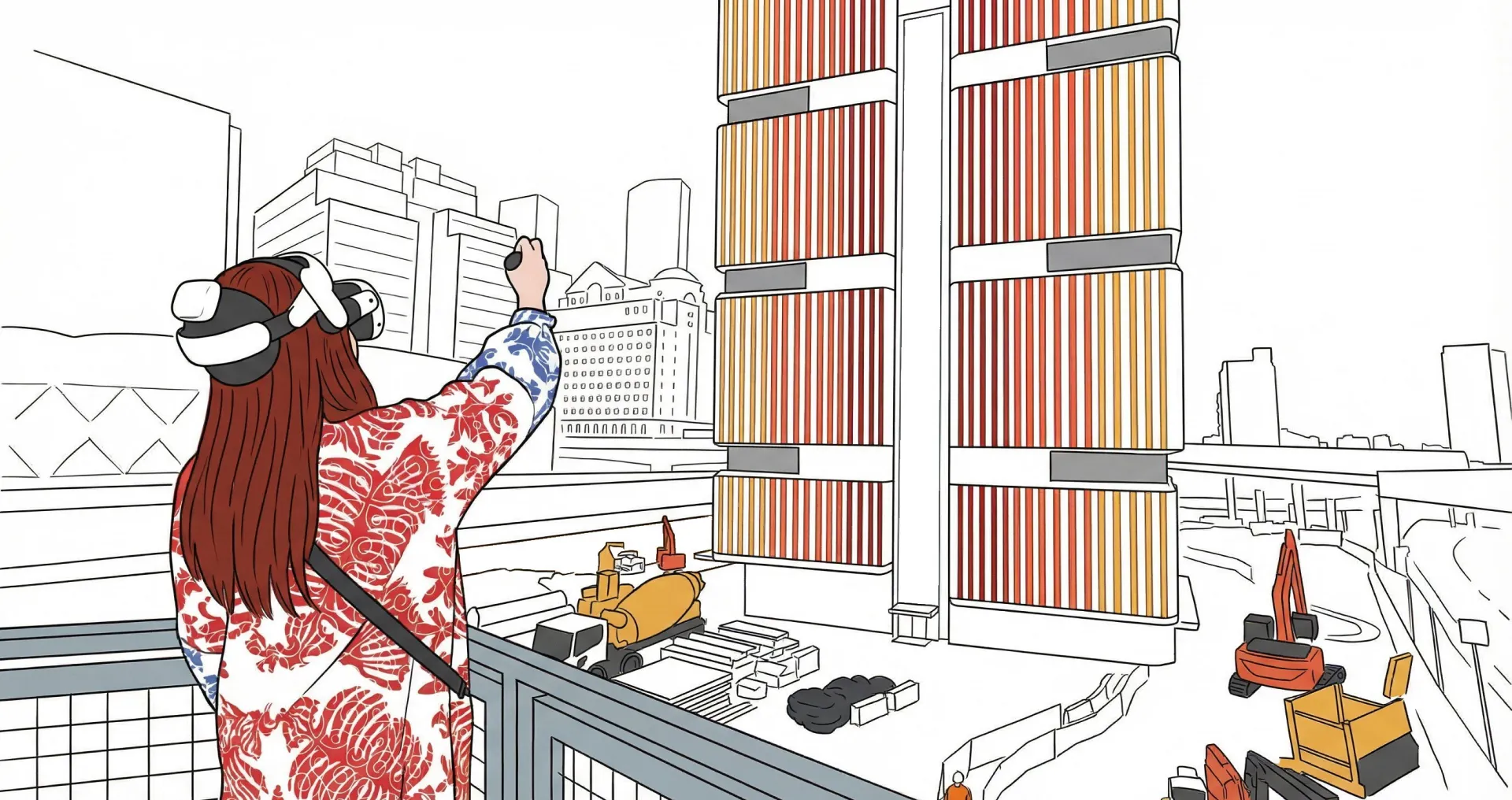
Arkio feels playful and simple, but it enables serious immersive collaboration. Whether with clients, communities, or our own teams around the world, it helps us make better design decisions together.
 Anna MytculVisualization Specialist, KPF London
About KPF
KPF is a global architecture firm with offices in New York, London and across Asia. Known for projects like One Vanderbilt in New York, KPF designs at every scale, from cultural institutions to skyline-defining towers. Collaboration is at the heart of the practice, and extended reality (XR) is helping the firm bring ideas to life in new ways.
“My role is to democratize XR tools at KPF, showing architects, clients, and even the public that these technologies are easy to use, powerful, and fun,” says Anna Mytcul, a Visualization Specialist at KPF’s London studio. “I’ve always believed architecture should be more engaging and gamified, and Arkio is one of the tools that makes that possible.”
From Drawings to Shared Experiences
For Anna, XR began as a personal passion. “I bought my first Meta Quest headset during COVID, and it completely changed how I think about presenting spatial designs. Suddenly, I could bring others into the same experience I was having. Everyone could see and feel the same space—not just look at a drawing.”
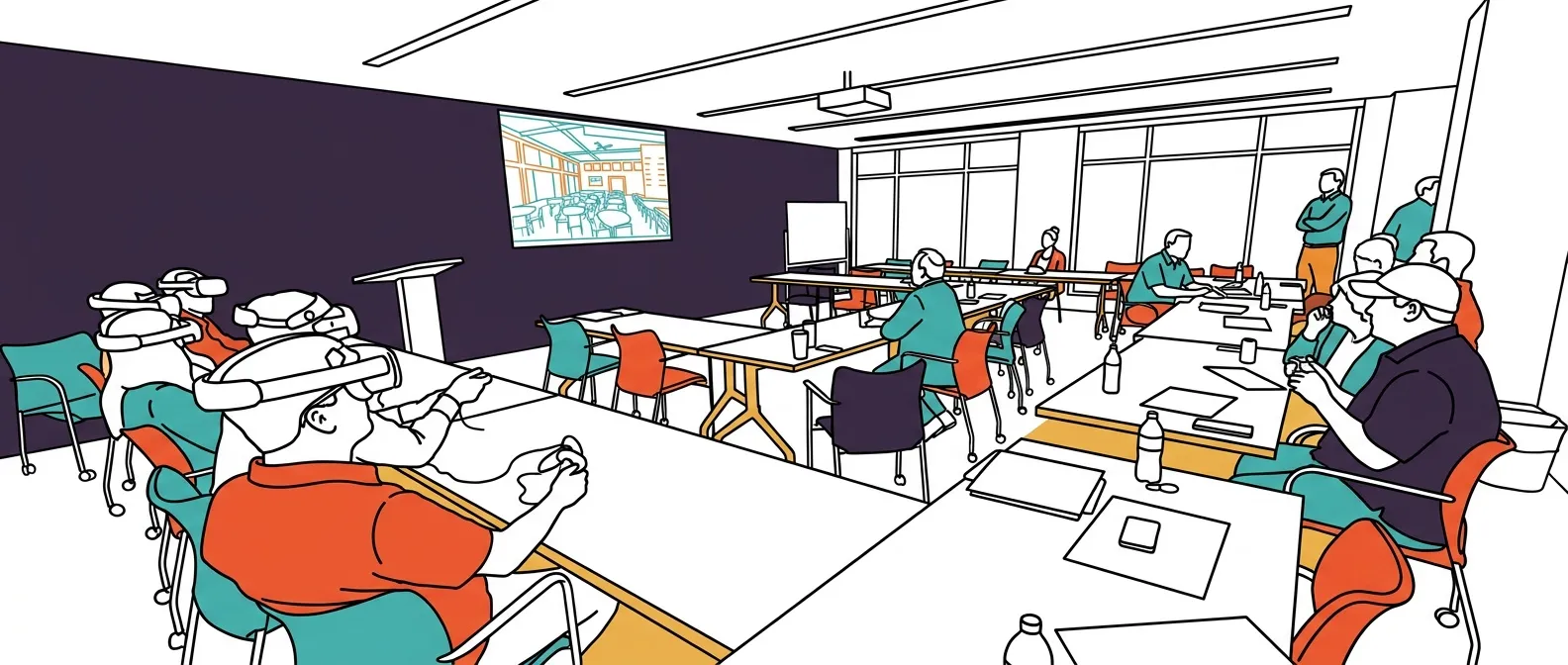
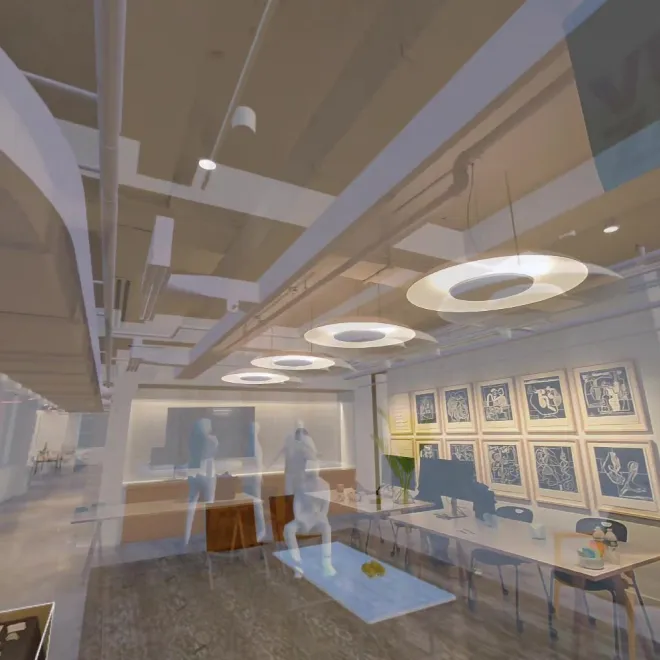
This sense of shared immersion is what makes Arkio so powerful at KPF. Instead of architects explaining plans, designers and stakeholders can step directly into the design. “At human scale, proportions like ceiling heights, and spatial relationships are instantly clear.”
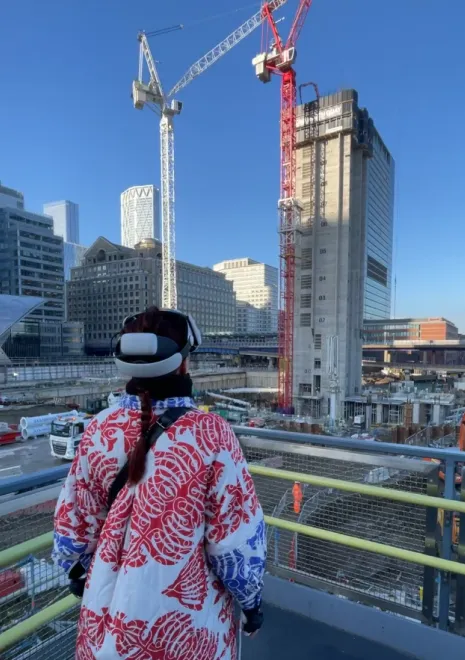
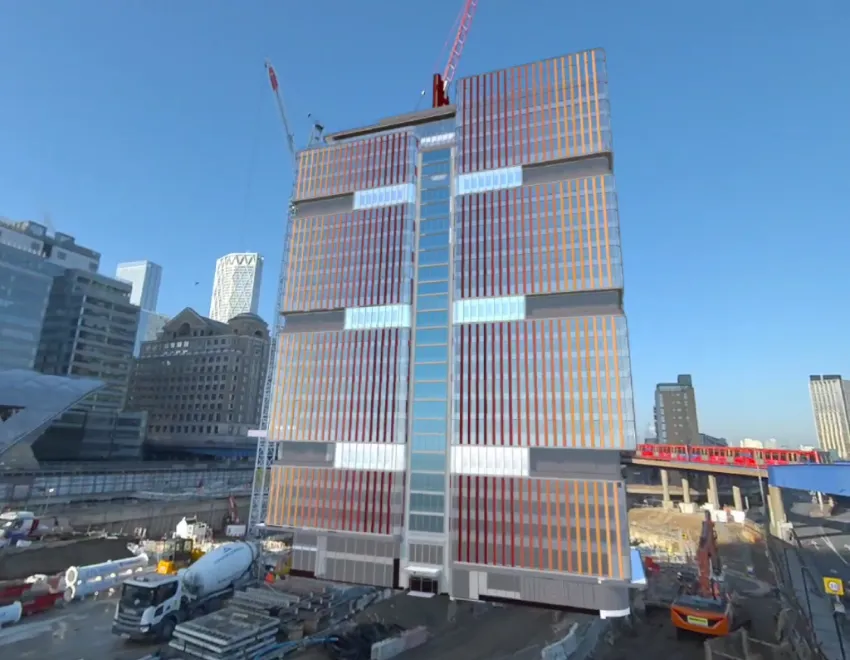
“It’s one thing to show a render,” Anna says, “but another thing entirely to stand in the space at scale and adjust it in real time. That’s when people really start to understand spatial qualities.”
Simplicity Meets Power
One reason Arkio works so well in practice is its simplicity.
“I love how simple Arkio feels,” Anna explains. “With one button, you can export a model from Revit or Rhino straight into VR. No special model preparation is needed to load large models on any device, it just works.”
For a global firm like KPF, efficiency and simplicity are essential. The Arkio plugins allow teams to work directly with the tools they already use. Designers don’t need to break their workflow, and once the model is in Arkio, the whole team can experience it together.
“It’s essential for us that Arkio works with Revit and Rhino,” Anna continues. “That way, we can focus on design, not on wrestling with our software.”
Collaboration Without Borders
Arkio’s strength lies not only in VR immersion but also in mixed reality.
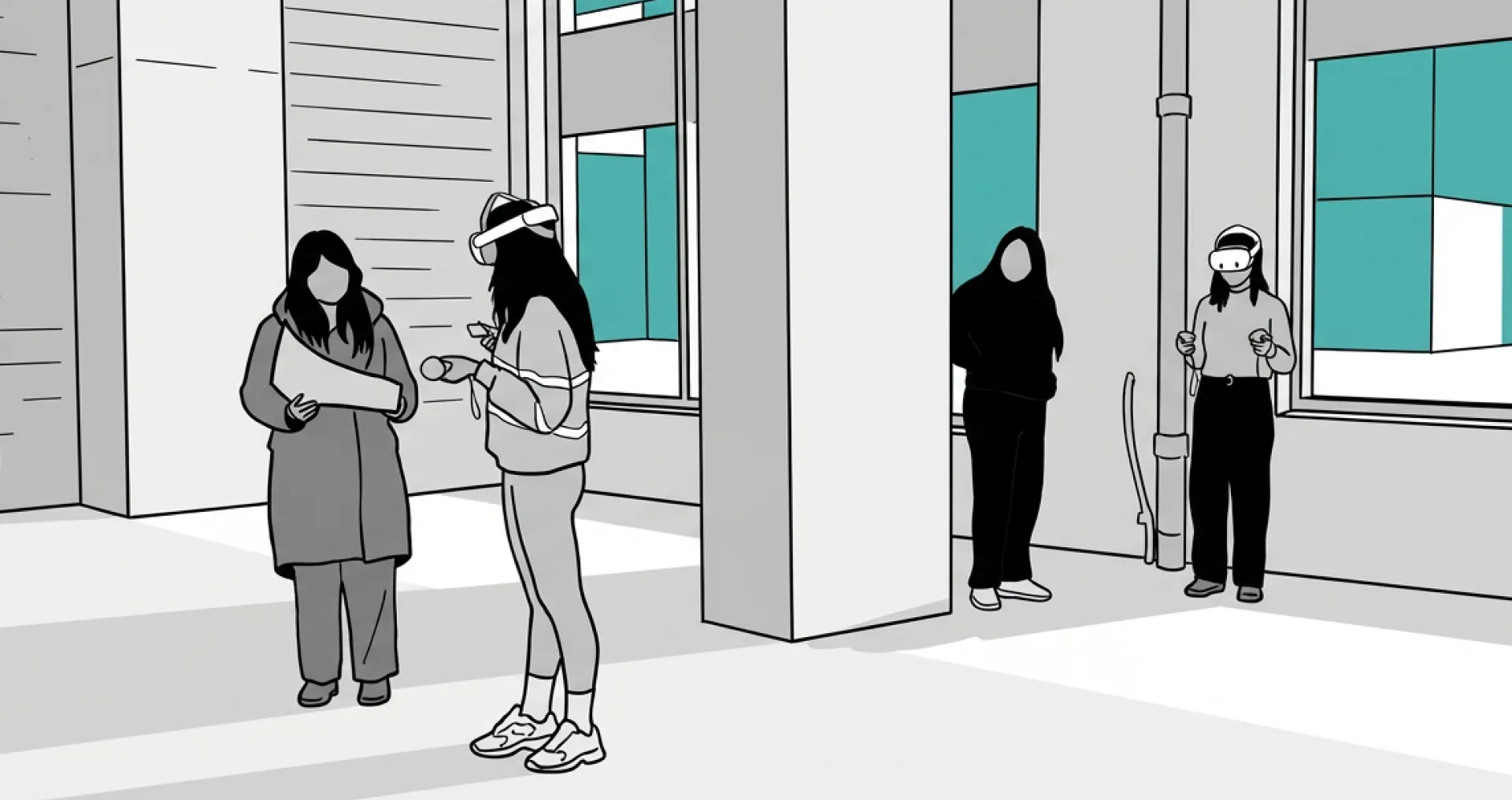
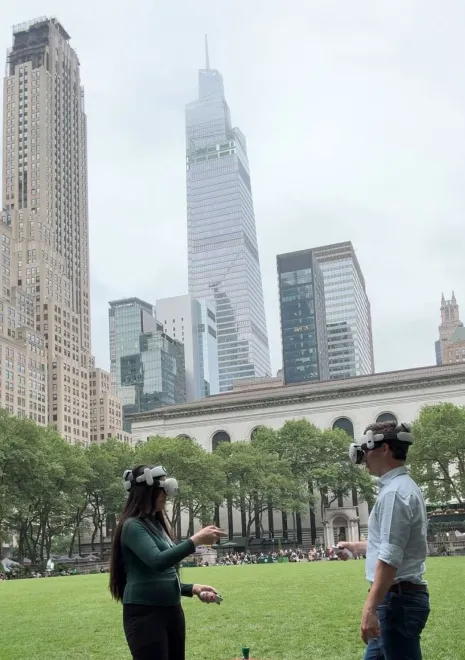
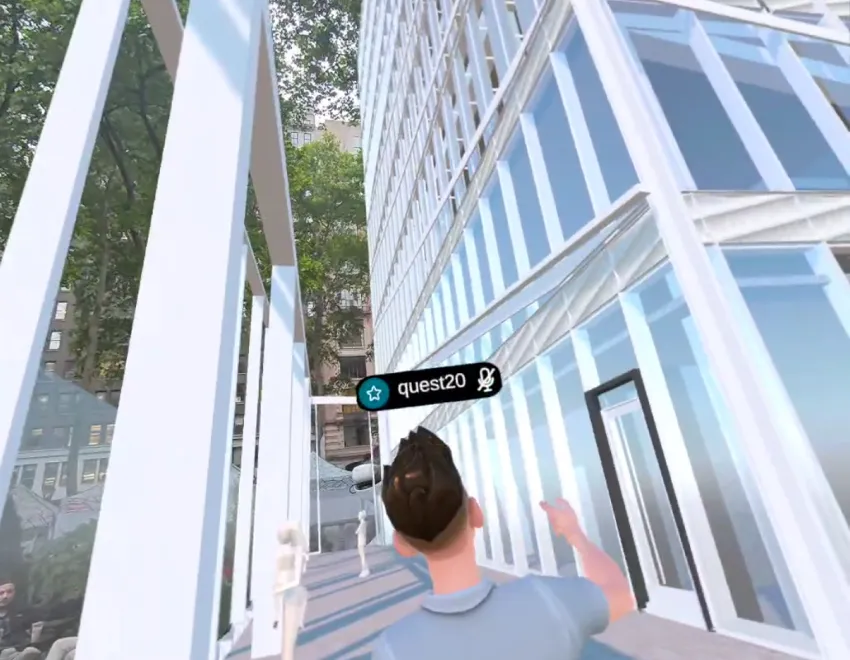
“Mixed reality gives us the chance to see designs in their actual context,” says Sanobar Nazirova, who is working as a visualization specialist in the firm’s New York office. “You’re not only looking at your model in the correct scale. You’re also seeing how it fits into its current surroundings. That’s a huge advantage when communicating with clients. This tool enables us to collaborate globally. Whether colleagues are in London or New York, Arkio can put them into the same model simultaneously.”
A Tool for Every Stage
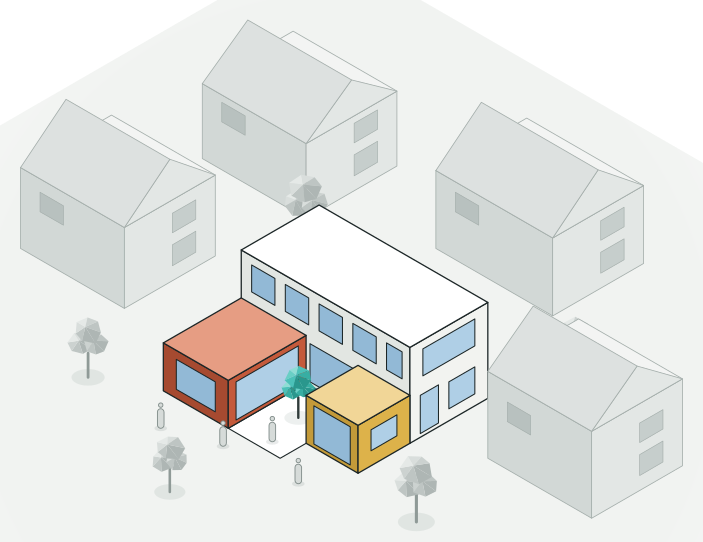
KPF uses Arkio from early design concepts to late-stage reviews. Teams can explore massing options, test interiors at the human scale, and present final designs in public consultations.
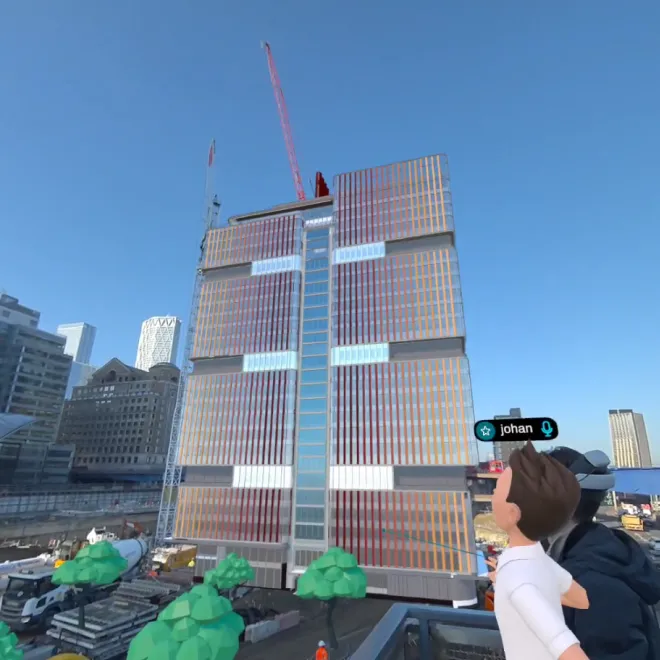
“We recently used Arkio to review a large project at One North Quay,” Anna recalls. “It was a breakthrough seeing the building on its site years before it was built. It changed how we can present projects to the client and test design options in context.”
Looking Ahead
XR is no longer just an experiment at KPF, it has become a part of everyday practice.
I’m always looking for ways to democratize design,” says Anna. “To make it accessible and joyful for all stakeholders. With a headset and one click, anyone can step inside the future.”

Anna Mytcul, Visualization Specialist, KPF London
“Arkio feels playful and simple, but it enables serious immersive collaboration. Whether with clients, communities, or our own teams around the world, it helps us make better design decisions together.”
Bring your team inside your next design.
Start in your browser, or talk to us about rolling Arkio out across your firm.